

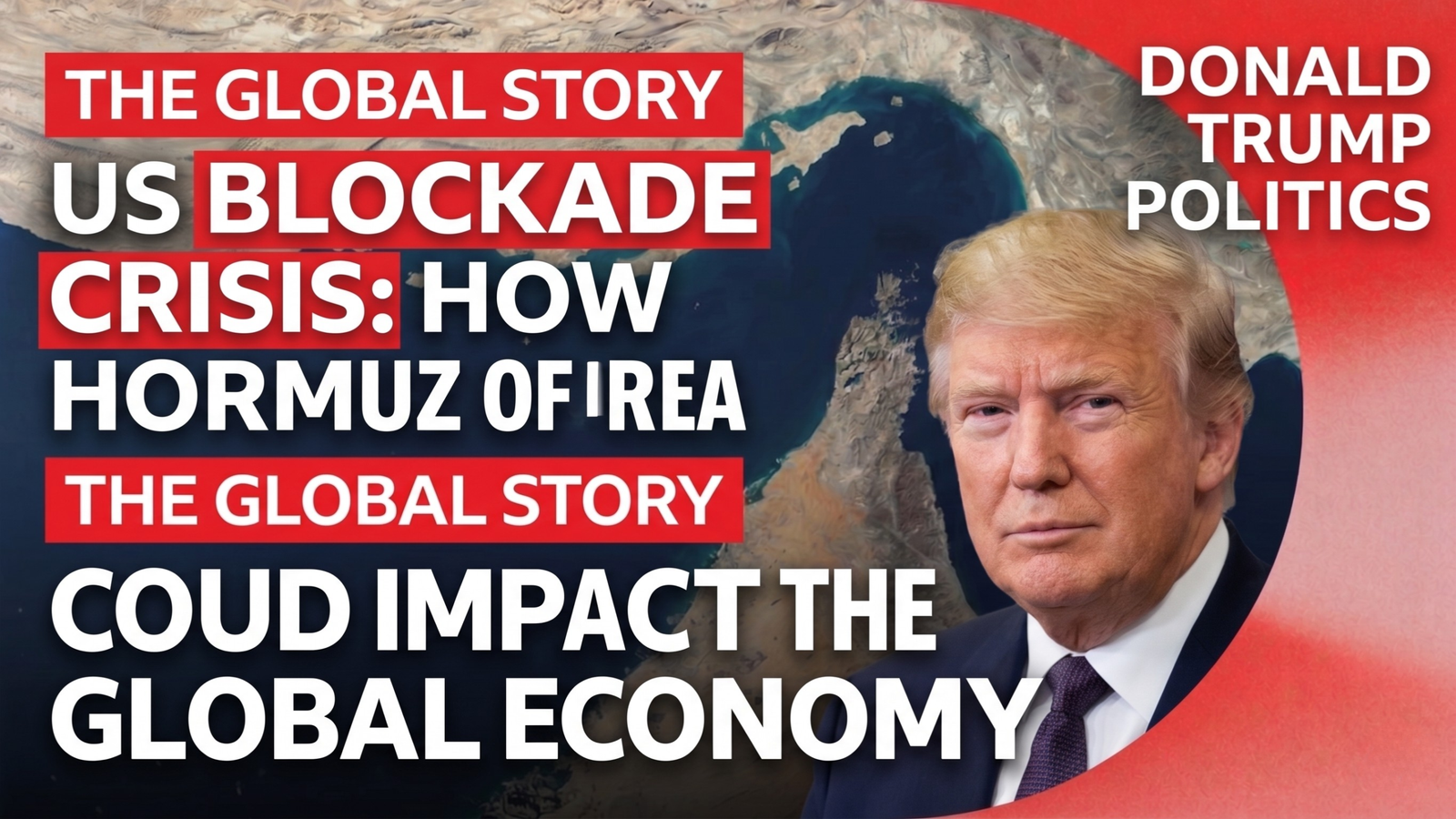
The US Blockade on Iranian ports has sparked a new phase of geopolitical tension, raising serious concerns about global trade, oil supply, and economic stability. As one of the world’s most critical maritime routes, the Strait of Hormuz plays a vital role in transporting energy resources. Any disruption here does not remain regional, it quickly becomes a global issue.
- Understanding the US Blockade Strategy
- US Blockade and the Strait of Hormuz Crisis
- Economic Impact of the US Blockade
- Why the US Blockade Matters to Americans
- Iran’s Strategic Advantage in the Crisis
- Failed Negotiations and Rising Uncertainty
- Global Trade Risks from the US Blockade
- Military and Strategic Implications
- Future Outlook: What Comes Next?
- A Defining Moment in Global Politics
- Reference
Recent developments show a complex standoff between the United States and Iran, where both nations are attempting to assert control over shipping routes and economic leverage. This situation has left analysts, governments, and markets closely watching what could unfold next.
Understanding the US Blockade Strategy
The US Blockade is aimed at restricting ships entering and exiting Iranian ports, particularly those involved in oil exports. This move is designed to weaken Iran’s economy, which heavily relies on oil and gas revenues.
However, the situation is far from straightforward. Iran had already created significant disruption in the Strait of Hormuz by threatening or targeting ships passing through the waterway. This led to skyrocketing insurance costs and effectively reduced safe passage for international vessels.
The United States’ response attempts to reverse this situation by allowing global shipping while restricting Iranian vessels. Yet, in practice, both sides’ actions have made the region increasingly unstable, discouraging safe navigation altogether.
US Blockade and the Strait of Hormuz Crisis
The Strait of Hormuz is one of the most strategically important waterways in the world. It is responsible for transporting a large portion of the world’s oil supply. Even minor disruptions can lead to significant spikes in global oil prices.
The US Blockade has intensified uncertainty in this region. Instead of stabilizing the situation, it has contributed to a scenario where:
- Ships risk being targeted from either side
- Insurance costs for shipping have surged
- Global supply chains face potential delays
This uncertainty directly affects energy markets, especially in the United States, where fuel prices are highly sensitive to global oil supply.
Economic Impact of the US Blockade
One of the primary objectives behind the US Blockade is to pressure Iran economically. By limiting oil exports, the United States aims to cut off a major source of revenue for Iran.
However, the global consequences are equally significant. The blockade and ongoing tensions could:
- Increase oil and gas prices worldwide
- Disrupt supply chains across industries
- Create inflationary pressure in the US economy
For American consumers, this could mean higher fuel prices, increased transportation costs, and rising prices for everyday goods.
Why the US Blockade Matters to Americans
The US Blockade is not just a foreign policy issue; it directly impacts daily life in the United States. Energy costs influence nearly every sector of the economy, from transportation to manufacturing.
If the Strait of Hormuz remains unstable, Americans could experience:
- Higher gasoline prices
- Increased cost of living
- Economic uncertainty in key industries
The situation highlights how interconnected global trade and domestic economic stability truly are.
Iran’s Strategic Advantage in the Crisis
Despite economic pressure, Iran appears to have gained a strategic advantage through its control over the Strait of Hormuz. By disrupting one of the world’s most vital trade routes, Iran has created leverage that extends beyond traditional military power.
Some analysts believe that this leverage is even more powerful than Iran’s nuclear program. By controlling access to a key global resource route, Iran can influence international markets and negotiations.
This dynamic has complicated the effectiveness of the US Blockade, as it shifts the balance of power in unexpected ways.
Failed Negotiations and Rising Uncertainty
Recent diplomatic talks between the United States and Iran failed to produce a breakthrough. Both sides presented strong demands, but neither was willing to compromise.
The United States pushed for strict nuclear limitations and broader regional agreements, while Iran demanded sanctions relief, security guarantees, and compensation for damages.
The collapse of these negotiations has increased uncertainty, making the US Blockade part of a larger and more complex geopolitical conflict.
Global Trade Risks from the US Blockade
The ongoing crisis poses serious risks to global trade. If tensions escalate further, additional chokepoints such as the Red Sea could also be affected, amplifying the disruption.
Key risks include:
- Reduced global shipping efficiency
- Increased costs for international trade
- Potential shortages in critical resources
For the United States, this could translate into slower economic growth and increased pressure on key industries.
Military and Strategic Implications
The US Blockade is not only an economic strategy but also part of a broader military and strategic framework. Continued conflict could lead to:
- Prolonged military engagement
- Increased defense spending
- Strain on US military resources
Additionally, the cost imbalance between low-cost Iranian weapons and expensive US defense systems could create long-term challenges.
Future Outlook: What Comes Next?
The future of the US Blockade remains uncertain. Several possible scenarios could unfold:
- Renewed diplomatic negotiations
- Escalation into broader conflict
- Continued economic and maritime disruption
Much depends on whether both sides can find common ground or continue to pursue aggressive strategies.
A Defining Moment in Global Politics
The US Blockade marks a critical moment in modern geopolitics. It highlights the fragile balance between economic power, military strategy, and global trade.
For the United States, the challenge lies in achieving its objectives without triggering wider economic consequences. For the world, the situation serves as a reminder of how vital and vulnerable global trade routes truly are.
Reference
For a deeper understanding of this situation, you can watch the full analysis here:
https://www.youtube.com/watch?v=AFh-QJoNEp8

