

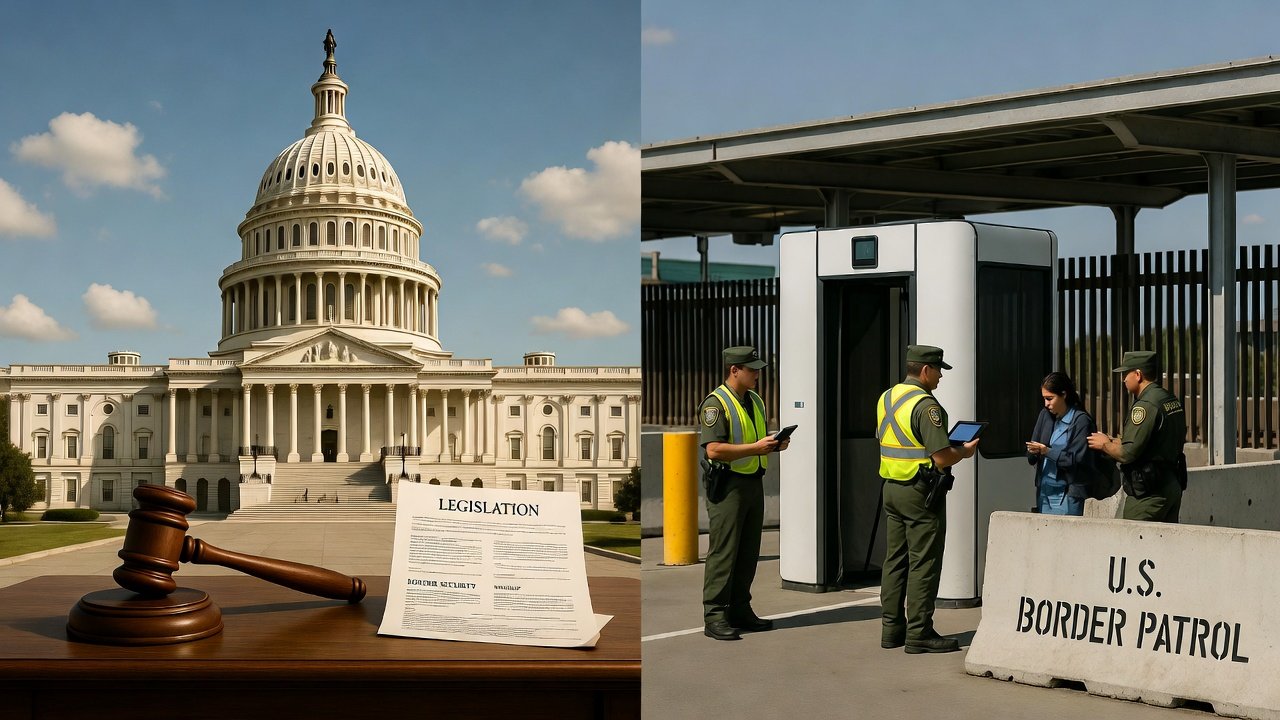
Immigration policy has long been one of the most debated issues in American politics. During his presidency, Donald Trump made immigration enforcement and border security central pillars of his administration. From border wall construction to executive orders affecting asylum procedures, Trump’s policies sparked strong reactions across the political spectrum.
- The Core Principles of Trump’s Immigration Agenda
- Border Wall Construction
- Travel Restrictions and National Security
- Asylum Policy Changes
- Interior Enforcement and Deportations
- Economic Framing of Immigration
- Public Opinion and Political Impact
- Legal Challenges and Judicial Review
- Long-Term Policy Implications
- The Broader Context of Immigration Reform
- Conclusion: A Policy Debate That Continues
This article provides a balanced, analytical overview of Trump’s immigration policies, outlining key initiatives, the arguments made by supporters, and the concerns raised by critics. The goal is to present a clear, fact-based discussion consistent with responsible content standards and search engine best practices.
The Core Principles of Trump’s Immigration Agenda
Trump’s immigration platform centered on several recurring themes:
- Strengthening border security
- Reducing unauthorized immigration
- Reforming asylum procedures
- Prioritizing merit-based legal immigration
These principles shaped both executive actions and legislative proposals throughout his term from 2017 to 2021.
Border Wall Construction
One of the most visible components of Trump’s immigration agenda was the expansion of physical barriers along the U.S.–Mexico border. The administration redirected federal funds and sought congressional appropriations to support construction efforts.
Supporters’ Arguments
Supporters argued that:
- Physical barriers deter unauthorized crossings.
- Border infrastructure enhances enforcement efficiency.
- Visible security measures reinforce national sovereignty.
Proponents frequently cited data showing reductions in illegal crossings in specific sectors where barriers were installed. They framed the wall as part of a broader border modernization strategy, including technology and personnel increases.
Critics’ Concerns
Critics countered that:
- Physical barriers are costly relative to their impact.
- Many unauthorized migrants enter legally and overstay visas.
- Environmental and property rights issues arose during construction.
Opponents also argued that border security requires comprehensive reform beyond infrastructure alone.
Travel Restrictions and National Security
In 2017, the administration issued executive orders restricting entry from several countries, citing national security concerns. These policies underwent multiple revisions and legal challenges before being upheld in part by the Supreme Court of the United States.
Supporters’ Arguments
Supporters contended that:
- The federal government has authority to regulate entry for security reasons.
- Vetting procedures required strengthening.
- The restrictions targeted countries identified as security risks, not religions.
They emphasized that immigration policy must balance openness with safety considerations.
Critics’ Concerns
Critics argued that:
- The policy disproportionately affected Muslim-majority countries.
- Families and students faced significant disruptions.
- The measure damaged America’s international image.
Opponents viewed the restrictions as overly broad and inconsistent with American traditions of welcoming immigrants.
Asylum Policy Changes
The administration implemented changes affecting asylum eligibility, including measures requiring migrants to apply in third countries before seeking protection in the United States.
Supporters’ Arguments
Supporters maintained that:
- Asylum systems were being overwhelmed.
- Stricter standards deter fraudulent claims.
- Regional cooperation was necessary to manage migration flows.
They framed reforms as necessary to prevent backlog growth and preserve resources for legitimate cases.
Critics’ Concerns
Critics responded that:
- Access to asylum is a humanitarian obligation under international law.
- Restrictive policies risked returning vulnerable individuals to unsafe conditions.
- Rapid processing policies limited due process protections.
Legal challenges emerged over the scope and implementation of these measures.
Interior Enforcement and Deportations
The administration increased enforcement priorities within the United States, broadening criteria for detention and deportation compared to prior guidelines.
Supporters’ Arguments
Supporters argued:
- Enforcement of existing laws is essential for credibility.
- Clear consequences discourage future unauthorized entry.
- Law enforcement agencies require operational flexibility.
They emphasized the importance of consistent rule-of-law application.
Critics’ Concerns
Critics expressed concerns that:
- Expanded enforcement created fear in immigrant communities.
- Family separations generated ethical debate.
- Local economies relying on immigrant labor experienced disruption.
The “zero tolerance” policy in 2018, which led to family separations at the border, became one of the most controversial aspects of the administration’s immigration enforcement strategy.
Economic Framing of Immigration
Trump frequently framed immigration through an economic lens, arguing that restricting unauthorized entry would protect wages and employment opportunities for American workers.
Supporters’ Arguments
Supporters claimed that:
- Reduced labor competition can benefit low-skilled workers.
- Stricter enforcement discourages exploitative labor practices.
- Merit-based immigration strengthens economic productivity.
They advocated for a system prioritizing skills and economic contribution.
Critics’ Concerns
Critics argued that:
- Immigrants contribute significantly to economic growth.
- Labor shortages can worsen in sectors like agriculture and hospitality.
- Restrictive policies may reduce innovation and entrepreneurship.
Economists remain divided on the precise labor market effects of immigration policy changes.
Public Opinion and Political Impact
Immigration remained a defining electoral issue throughout Trump’s presidency. Polling data during this period showed significant partisan divides in public opinion.
Supporters often cited immigration policy as a key reason for backing Trump. Critics viewed the same policies as a central reason for opposition.
This polarization underscores how immigration functions not only as a policy issue but also as a symbolic one, reflecting broader debates about identity, sovereignty, and economic priorities.
Legal Challenges and Judicial Review
Multiple immigration-related executive actions faced court challenges. Federal courts reviewed issues related to travel restrictions, asylum rules, and enforcement practices.
Judicial review reflects the constitutional system of checks and balances, ensuring executive actions align with statutory and constitutional requirements.
The legal landscape surrounding immigration policy remains dynamic, with ongoing adjustments across administrations.
Long-Term Policy Implications
Trump’s immigration policies influenced:
- Border infrastructure expansion
- Federal enforcement priorities
- Public debate about asylum standards
- The framing of immigration in national campaigns
Even after his presidency, immigration remains one of the most prominent issues in American politics, shaped in part by the debates intensified during his administration.
Future reforms may build upon, modify, or reverse elements introduced during this period.
The Broader Context of Immigration Reform
Immigration policy in the United States has historically required legislative compromise. Comprehensive reform proposals have faced repeated challenges in Congress.
Trump’s approach emphasized executive authority and enforcement-focused strategies, reflecting both institutional constraints and campaign commitments.
The broader immigration debate continues to involve questions of:
- Border security
- Economic integration
- Humanitarian responsibility
- Federal-state cooperation
Balancing these considerations remains complex.
Conclusion: A Policy Debate That Continues
Trump’s immigration policies generated strong support and equally strong criticism. Supporters viewed them as necessary measures to strengthen border security, enforce existing laws, and prioritize national sovereignty. Critics raised concerns about humanitarian impact, legal due process, and economic consequences.
Understanding this issue requires examining both perspectives and recognizing that immigration policy intersects with economic, legal, and ethical considerations.
As the national conversation continues, immigration remains a defining policy arena in American politics — shaped significantly by the debates and decisions of the Trump administration.

