

Introduction
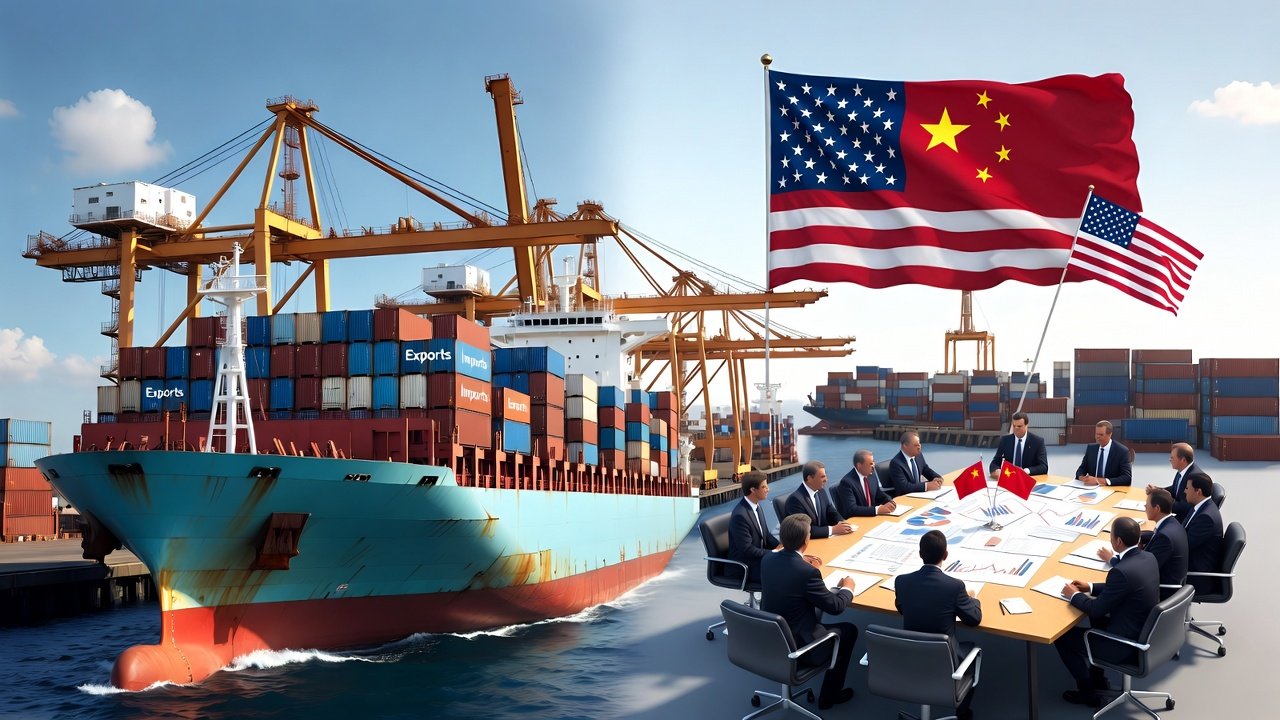
Economic nationalism re-emerged as a central force in American politics during the presidency of Donald Trump. His administration’s trade policies—particularly the use of tariffs and renegotiation of trade agreements—marked a significant departure from decades of bipartisan support for trade liberalization. Supporters framed these moves as necessary corrections to protect domestic industries and restore manufacturing strength. Critics argued they disrupted global supply chains and increased costs for consumers and businesses.
- Introduction
- Understanding Economic Nationalism
- The Core Philosophy Behind Trump’s Trade Agenda
- The Trade War With China
- NAFTA Renegotiation and USMCA
- Tariffs on Steel and Aluminum
- Impact on American Consumers and Businesses
- Manufacturing Revival: Did It Happen?
- Agricultural Sector and Trade Retaliation
- Global Reactions and Multilateral Implications
- Supporters’ Perspective
- Critics’ Perspective
- Long-Term Legacy
- Conclusion
This article provides a balanced, policy-focused analysis of the economic nationalism movement during Trump’s presidency. It explains the rationale behind the trade wars, their implementation, measurable outcomes, and their long-term implications for U.S. trade policy.
Understanding Economic Nationalism
Economic nationalism is a policy approach that prioritizes domestic industries, national sovereignty, and reduced reliance on foreign markets. It often involves:
- Protective tariffs
- Trade restrictions
- Renegotiation of international agreements
- Emphasis on domestic manufacturing
For decades before Trump, U.S. trade policy generally supported multilateral trade frameworks such as the World Trade Organization and regional agreements like North American Free Trade Agreement (NAFTA).
Trump challenged the consensus that free trade universally benefits the American economy. Instead, he argued that certain agreements disadvantaged U.S. workers and incentivized offshoring.
The Core Philosophy Behind Trump’s Trade Agenda
Trump’s trade strategy rested on three core claims:
- Trade deficits indicate economic weakness.
- Foreign governments engage in unfair trade practices.
- Tariffs can rebalance trade and incentivize domestic production.
While many economists dispute the interpretation of trade deficits as inherently harmful, the argument resonated politically in regions that experienced manufacturing job losses.
Trump frequently cited competition with China as evidence of systemic trade imbalance. The administration accused China of intellectual property theft, forced technology transfers, and currency manipulation.
The Trade War With China
Section 301 Investigation
In 2017, the Trump administration launched a Section 301 investigation into China’s trade practices. The investigation concluded that certain policies harmed U.S. intellectual property and innovation sectors.
Tariff Implementation
Beginning in 2018, the United States imposed tariffs on hundreds of billions of dollars’ worth of Chinese goods. China responded with retaliatory tariffs on U.S. exports, including agricultural products.
This escalation marked one of the most significant trade conflicts between the two countries in decades.
Phase One Agreement
In January 2020, the U.S. and China signed a “Phase One” trade deal. China committed to purchasing more U.S. goods and strengthening intellectual property protections. However, many tariffs remained in place, and some purchase targets were not fully met.
NAFTA Renegotiation and USMCA
Trump also targeted NAFTA, arguing it incentivized manufacturing relocation to Mexico.
After negotiations, NAFTA was replaced with the United States-Mexico-Canada Agreement (USMCA). Key changes included:
- Stricter automotive rules of origin
- Higher wage requirements for certain auto production
- Updated digital trade provisions
- Stronger labor enforcement mechanisms
Supporters viewed USMCA as a modernization of outdated trade terms. Critics noted that while revisions were meaningful, the structural economic impact was moderate.
Tariffs on Steel and Aluminum
In 2018, Trump imposed tariffs on imported steel and aluminum under Section 232 of the Trade Expansion Act, citing national security concerns.
The tariffs affected allies and competitors alike, including imports from the European Union, Canada, and others.
Intended Goals:
- Strengthen domestic steel production
- Reduce dependency on foreign supply
- Protect national security
Economic Effects:
- Domestic steel prices initially rose
- Some U.S. producers benefited
- Downstream industries faced higher input costs
Studies from independent economic institutions indicated mixed outcomes: certain sectors gained protection, while others experienced cost pressures.
Impact on American Consumers and Businesses
One central debate concerns who ultimately pays tariffs.
While tariffs are levied on imported goods, multiple economic analyses suggested that U.S. importers often bore much of the cost, with portions passed on to consumers.
Key observed impacts:
- Increased prices on certain consumer goods
- Disruptions in supply chains
- Greater uncertainty for exporters
However, supporters argue that the long-term goal—restructuring global trade relationships—may outweigh short-term cost increases.
Manufacturing Revival: Did It Happen?
A key promise of economic nationalism was revitalizing American manufacturing.
Employment Trends
Manufacturing employment increased during the early part of Trump’s presidency but faced decline during the COVID-19 pandemic. Determining causation is complex, as global economic cycles also influence employment levels.
Investment Trends
Some firms announced reshoring initiatives. However, automation and technological changes continued shaping the manufacturing sector regardless of trade policy.
Experts note that trade policy alone cannot fully reverse long-term structural shifts driven by globalization and automation.
Agricultural Sector and Trade Retaliation
American farmers were significantly affected by Chinese retaliatory tariffs.
To mitigate losses, the administration implemented federal aid programs totaling billions of dollars in agricultural support payments.
This intervention raised debates about:
- Government spending increases
- Market distortion
- Short-term stabilization versus long-term strategy
While some farmers supported the broader strategy, others expressed concern about reliance on subsidies.
Global Reactions and Multilateral Implications
Trump’s trade wars altered America’s position within the global trade system.
- The U.S. imposed tariffs outside typical WTO dispute frameworks.
- Appointments to the WTO appellate body were blocked, weakening enforcement mechanisms.
- Allies faced tariffs under national security justifications.
These moves sparked debates about whether the U.S. was shifting from multilateralism toward bilateral leverage-based negotiations.
Supporters’ Perspective
Proponents argue that economic nationalism:
- Confronted unfair trade practices directly
- Reduced dependency on foreign supply chains
- Increased leverage in negotiations
- Prioritized domestic industry
They also contend that previous trade frameworks underestimated geopolitical risks associated with concentrated supply chains.
Critics’ Perspective
Critics argue that:
- Trade wars increased uncertainty for businesses
- Consumers absorbed higher costs
- Trade deficits did not significantly shrink
- Alliances were strained
Many economists emphasize that trade deficits are influenced by broader macroeconomic forces, including savings rates and fiscal policy.
Long-Term Legacy
Trump’s trade policies reshaped the Republican Party’s economic platform. Economic nationalism became a more central theme, influencing ongoing policy debates even beyond his presidency.
The conversation about supply chain resilience, domestic manufacturing, and strategic competition with China remains highly relevant.
While the Biden administration adjusted some trade tactics, many tariffs implemented under Trump remained in place, demonstrating the durability of this policy shift.
Conclusion
The economic nationalism movement under Donald Trump represented a significant pivot in U.S. trade policy. By imposing tariffs, renegotiating agreements, and directly confronting major trading partners, the administration challenged long-standing free-trade assumptions.
The measurable outcomes remain debated. Certain industries benefited from protection, while consumers and export sectors faced increased costs. The broader structural shifts in manufacturing and global trade reflect complex interactions between policy, technology, and international markets.
Regardless of one’s political perspective, Trump’s trade wars marked a turning point in American economic strategy—one that continues shaping policy discussions today.

