

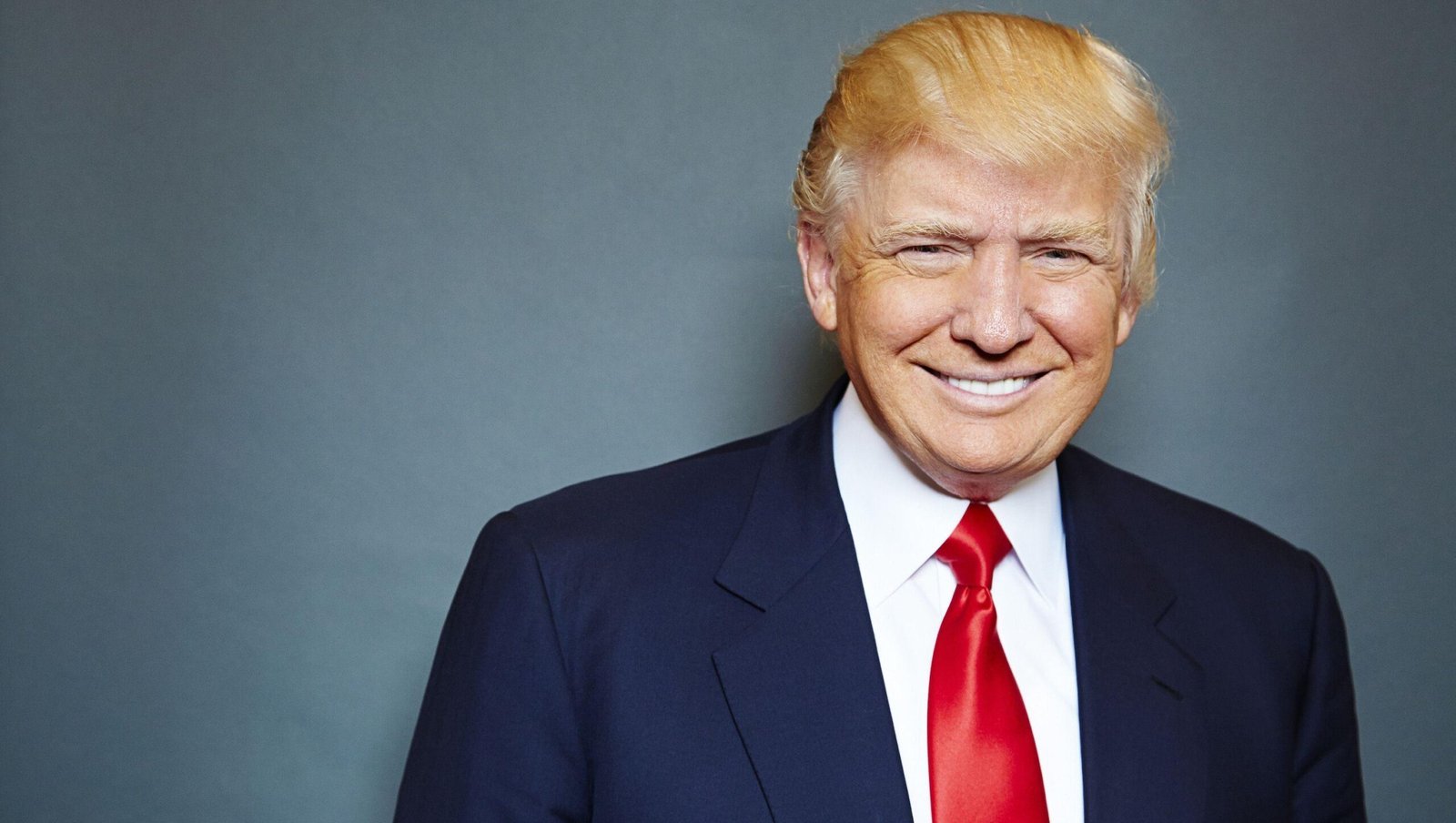
Donald John Trump is one of the most influential, controversial, and widely discussed figures in modern American history. Long before he became the 45th and 47th President of the United States, Trump was already a national celebrity—a businessman, real estate tycoon, branding expert, and television personality known for transforming his name into a global business empire. To fully understand the man behind the headlines, it is important to explore his early history: his family origins, childhood, education, and the early business experiences that shaped his worldview. This first section of the article provides a detailed look into Trump’s foundational years, tracing the development of his personality, ambitions, and the seeds of his later rise to political power.
- Family Background and Heritage
- Childhood and Early Personality
- Education and Exposure to Real Estate
- Entering the Family Business
- Building the Trump Brand
- Breakthrough in Manhattan Real Estate
- Expanding the Empire: Hotels, Casinos, and Beyond
- The Art of the Deal and Media Persona
- Financial Crises of the Early 1990s
- Rebuilding the Empire
- The Apprentice: Becoming a Television Icon
- Political Teasers and Public Statements
- The 2024 Election Victory
- Second Presidency: Immediate Actions
- Domestic Policies and Controversies
- Foreign Policy in the Current Era
- Legal Challenges and Investigations
- Public Image and Trumpism
- Impact on U.S. Politics
- Social Media and Public Engagement
Family Background and Heritage
Donald Trump was born on June 14, 1946 in the Queens borough of New York City. He comes from a family of strong entrepreneurial roots. His father, Fredrick Christ Trump (Fred Trump), was a prominent real estate developer specializing in middle-income housing projects across Brooklyn and Queens. Fred Trump built thousands of residential units, especially during the post–World War II housing boom. His company, Trump Management, later known as the Trump Organization, was one of the most successful real estate businesses in New York during the 1950s and 1960s.
Donald’s mother, Mary Anne MacLeod Trump, was born in Scotland and immigrated to the United States in 1930. She came from the Isle of Lewis, a remote region known for its strong Presbyterian culture and traditional lifestyle. Her migration story—from a poor fishing village to one of America’s most powerful families—is often cited as an example of the “American Dream.”
Trump was the fourth of five siblings:
- Maryanne Trump Barry – a retired federal judge
- Fred Trump Jr. – Donald’s older brother, who struggled with alcoholism and whose life deeply influenced Donald’s views on discipline
- Elizabeth Trump – a retired banker
- Robert Trump – a businessman and Donald’s close confidant
The Trump family lived in a wealthy neighborhood in Jamaica Estates, Queens. Their home was large but modest compared to the luxury Trump would pursue later in life.
Childhood and Early Personality
From a young age, Donald Trump showed signs of being strong-willed, competitive, outspoken, and confident. His family described him as energetic, sometimes overly assertive, and naturally drawn to leadership roles. Trump later said that growing up with a highly demanding father taught him discipline and toughness—traits he considered essential for success.
Trump attended the Kew-Forest School, a private institution in Queens. However, due to behavior issues and a strong need for a structured environment, his parents enrolled him at the New York Military Academy (NYMA) at age 13. This move became a turning point in his life.
At NYMA, Trump excelled. The academy emphasized discipline, physical training, and leadership. Trump quickly rose through the ranks, becoming a student leader and earning respect for his competitiveness. Many biographers describe this experience as the foundation for Trump’s later authoritative leadership style.
Education and Exposure to Real Estate
After graduating from NYMA in 1964, Trump attended Fordham University for two years. He later transferred to the prestigious Wharton School of the University of Pennsylvania, where he studied finance and real estate. Wharton was—and still is—one of the top business schools in the world.
Official Wharton website: https://www.wharton.upenn.edu/
Trump has frequently mentioned that Wharton gave him exposure to high-level business thinking. However, his real education came from working with his father from an early age. During summers, he would visit construction sites, collect rent from tenants, and learn about property management.
While his father focused on affordable housing, Donald always dreamed bigger. He wanted skyscrapers, luxury hotels, and national—if not global—recognition.
Entering the Family Business
Trump officially joined the family business in 1968. Fred Trump was known for being cautious and pragmatic, but Donald immediately pushed for bold expansion into Manhattan—a market full of risks, prestige, and enormous financial potential.
Donald believed the Trump name could become a premium brand. Over time, his vision went beyond simply constructing real estate projects. He wanted to combine business with image-building, branding, and media exposure.
In 1971, he was given control of the company and renamed it The Trump Organization.
Official link: https://www.trump.com
Under Donald Trump’s leadership, the company moved from developing outer-borough housing to pursuing signature Manhattan projects, including:
- The Grand Hyatt Hotel
- Trump Tower
- Luxury residential high-rises
- Commercial properties
- Casinos and hotels in Atlantic City
These early years were not easy. Manhattan’s real estate market was extremely competitive, and the city was facing financial bankruptcy in the 1970s. But Trump used aggressive negotiation strategies, tax incentives, and a strong media presence to build a reputation as a bold, successful developer.
Building the Trump Brand
What truly separated Trump from other businessmen of the era was his understanding of branding. He recognized that his name could become a symbol of luxury, wealth, and ambition—something people would want to be associated with.
Trump’s branding strategies included:
- Using the “TRUMP” name on buildings in huge gold letters
- Creating a public image through interviews and media appearances
- Writing books such as The Art of the Deal (1987)
- Positioning himself as a symbol of the American Dream
His obsession with media visibility eventually led him to appear regularly on TV talk shows, magazines, and newspapers. This made him more than a businessman—he became a celebrity personality.
Years later, this celebrity status laid the foundation for his political rise.
Rise in Real Estate, Media Fame, and the Making of a Global Brand
By the late 1970s and early 1980s, Donald Trump transitioned from being a skilled real estate developer to a national symbol of ambition, wealth, and unrestrained confidence. His entry into Manhattan’s real estate market, combined with his instinctive understanding of media, positioned him as a unique figure in American business culture. This section explores Trump’s major projects, his strategic approach to branding, his expansion into entertainment, and the controversies and setbacks that shaped his public identity.
Breakthrough in Manhattan Real Estate
Donald Trump’s early goal was to break into Manhattan—a market dominated by old-money families and long-established corporations. Unlike his father, who viewed Manhattan as too risky and expensive, Donald saw it as an essential part of building a world-famous brand.
His first major breakthrough came with the Commodore Hotel. Built in 1919, the hotel was worn down and nearly abandoned by the late 1970s. Trump negotiated a deal with the City of New York and partnered with the Hyatt Corporation to transform the property into the Grand Hyatt Hotel.
Details about the property can be found on Hyatt’s site:
https://www.hyatt.com
The project opened in 1980 and became a huge success. It not only revived a dying area of Manhattan but also established Trump as a major real estate figure.
The next major step was Trump Tower, located at 725 Fifth Avenue. Construction began in 1979 and was completed in 1983. The 58-story skyscraper became Trump’s signature achievement—a blend of luxury apartments, upscale retail shops, and Trump’s private penthouse, famously decorated in gold and marble. Trump Tower quickly became a pop-culture symbol, regularly featured in movies, TV shows, and magazines.
Expanding the Empire: Hotels, Casinos, and Beyond
During the 1980s, Trump expanded rapidly outside Manhattan. He invested heavily in Atlantic City, New Jersey, which became a hotspot for casino development. Trump developed or operated several major casinos, including:
- Trump Plaza Hotel and Casino
- Trump Castle (later Trump Marina)
- Trump Taj Mahal
The Trump Taj Mahal, which opened in 1990, was marketed as the “Eighth Wonder of the World.” It was the most expensive casino ever constructed at the time, costing nearly $1 billion. Trump’s casino ventures were glamorous but risky, built on heavy borrowing and aggressive expansion.
His brand also expanded into:
- Airlines (Trump Shuttle)
- Sports (owned the New Jersey Generals football team)
- Publishing and licensing
- Golf resorts
Trump became known for turning his name into a valuable trademark. Everything from neckties to bottled water was branded “TRUMP.”
The Art of the Deal and Media Persona
In 1987, Trump published “The Art of the Deal,” co-written with journalist Tony Schwartz. The book became a bestseller and significantly increased his public profile. Trump positioned himself as a master negotiator and fearless businessman.
The book was part autobiography, part business philosophy, and part personal branding. It played a huge role in shaping Trump’s public image as someone who wins through bold decisions and strategic risk-taking.
The book’s popularity helped Trump become a regular figure on:
- Talk shows
- Business panels
- Magazine covers
- Television features
He developed a media persona that was confident, outspoken, and larger-than-life—traits that later became central to his political identity.
Financial Crises of the Early 1990s
Despite his glamorous public image, Trump experienced significant financial trouble in the early 1990s. His debts from casinos, real estate, and airline ventures had grown enormously. A nationwide recession and drop in real estate values pushed the Trump Organization to the edge of collapse.
By 1991, Trump owed more than $900 million personally, while his companies owed billions more. Several of his properties went through bankruptcy restructurings.
Some major bankruptcies included:
- Trump Taj Mahal (1991)
- Trump Plaza (1992)
- Trump Castle (1992)
Although many critics predicted Trump’s downfall, he survived by renegotiating his debts with banks, selling off parts of his empire, and restructuring his businesses. His ability to bounce back strengthened his “comeback” narrative—a theme he later used in his political campaigns.
Rebuilding the Empire
By the mid-1990s and early 2000s, Trump staged a major comeback. He shifted his strategy from owning physical properties to licensing his name. This approach dramatically reduced his financial risks while increasing profits.
His name became attached to:
- Luxury condominiums
- Hotels
- Resorts
- Golf courses
- Business towers
Through licensing, companies paid Trump to use his name on properties he did not personally build or own. This strategy allowed him to expand globally into places like:
- Dubai
- Philippines
- Turkey
- India
- South Korea
- Panama
Trump also began focusing more on entertainment and media presence, which eventually led to the biggest boost of his public career—The Apprentice.
The Apprentice: Becoming a Television Icon
In 2004, Donald Trump teamed up with television producer Mark Burnett to create “The Apprentice”, a business competition show where contestants performed tasks to earn a job at the Trump Organization.
The show immediately became a massive hit on NBC. Millions watched Trump judge contestants, give business advice, and deliver his famous line:
“You’re fired.”
The show portrayed Trump as a successful billionaire CEO, reinforcing his image as a decisive and effective leader. “The Apprentice” won multiple awards and ran for 14 seasons, including the celebrity version.
NBC overview:
https://www.nbc.com
The show dramatically increased Trump’s fame, wealth, and political influence. It also introduced him to a broad audience who had never heard of his real estate work.
Political Teasers and Public Statements
Throughout the 2000s, Trump occasionally hinted at political ambitions. He gave interviews criticizing government policies, trade deals, and foreign relations. Although considered a celebrity figure, he developed a growing political following—particularly among Americans frustrated with economic issues, immigration, and traditional politicians.
He also became a vocal critic of then-President Barack Obama, gaining national attention through interviews, rallies, and media appearances.
By 2011, Trump’s political activity grew stronger, signaling the beginning of a major shift in his life. His media influence, brand, business empire, and bold personality were all preparing him for the next stage—one that would change world politics.
Donald Trump in the Current Era: Politics, Policies, and Controversies
Donald Trump’s political career has entered a new and unprecedented phase with his second presidency beginning in January 2025. Returning to the White House after a four-year hiatus, Trump has not only redefined the Republican Party but has also reshaped American politics in a manner that has sparked both fervent support and staunch criticism. This section examines Trump’s current era: his second term priorities, domestic and foreign policies, controversies, legal challenges, and the broader impact on U.S. governance.
The 2024 Election Victory
Trump’s 2024 presidential campaign was marked by a combination of nostalgia for his first term, appeals to economic nationalism, and a promise to “Make America Great Again, Again.” Running against then-Vice President Kamala Harris, he secured a narrow yet decisive victory in the Electoral College, despite receiving fewer popular votes than his opponent.
Analysts have noted that Trump’s campaign relied heavily on:
- Direct voter outreach via social media platforms
- Nationwide rallies emphasizing law and order, immigration restrictions, and economic growth
- Targeting swing states in the Midwest and South
His election also reflected a deeply polarized American electorate, with intense partisan divides over his style, policies, and public statements.
Official Election Results Archive:
https://www.fec.gov
Second Presidency: Immediate Actions
Upon assuming office on January 20, 2025, Trump quickly began implementing aggressive executive policies. Some of the most notable early actions include:
- Mass layoffs of federal workers in multiple agencies
- Implementation of tariffs on imports from nearly all countries, reminiscent of his first-term trade policies
- Signing of the One Big Beautiful Bill Act, a controversial legislative package affecting taxation, business regulations, and government oversight
Trump’s administration has emphasized the use of executive orders to bypass Congress on key issues, drawing criticism from opponents who argue these actions undermine democratic checks and balances.
Domestic Policies and Controversies
Trump’s domestic agenda has largely focused on economic nationalism, deregulation, and conservative social policies. Key areas include:
- Immigration
- Stricter deportation policies and limits on asylum applications
- Reinforcement of border security initiatives, including expansion of physical barriers and technological monitoring
- Targeted efforts to reduce legal immigration quotas
- Civil Rights and Social Issues
- Policies targeting transgender rights, particularly in military and educational contexts
- Restrictions on federal funding for organizations supporting LGBTQ+ initiatives
- Controversial law enforcement directives, including support for increased police powers
- Economic and Business Policy
- Tax breaks for corporations and deregulation of major industries
- Efforts to encourage domestic manufacturing and reduce offshoring
- Tariff increases on imported goods to protect U.S. businesses
- Environmental Policy
- Rollback of federal environmental protections, echoing his first-term approach
- Focus on energy independence through fossil fuel expansion
Critics argue that these policies disproportionately favor corporations and wealthy individuals while marginalizing vulnerable populations. Supporters, however, claim they promote economic growth and national security.
Foreign Policy in the Current Era
Trump’s second term has seen a continuation of his unconventional approach to foreign policy, often described as “America First.” Notable developments include:
- China and Trade: Continuation of trade tariffs and negotiation strategies to favor U.S. economic interests
- Middle East: Strategic engagement with allies, alongside a preference for unilateral U.S. action over multilateral agreements
- Global Agreements: Withdrawal or renegotiation of climate, trade, and defense accords that Trump views as unfavorable to the U.S.
Observers have noted that Trump’s foreign policy style emphasizes transactional diplomacy, often prioritizing short-term economic and political gains over traditional alliances.
Legal Challenges and Investigations
Trump’s second era has also been marked by ongoing legal scrutiny. While some past indictments and charges were dismissed, he remains the subject of multiple civil and criminal investigations. Key matters include:
- Business Practices: Allegations of falsifying business records and fraudulent tax reporting
- Civil Cases: Liabilities related to defamation and sexual abuse claims
- Political Investigations: Review of his actions regarding the 2020 election and retention of classified documents
Despite these legal pressures, Trump has maintained a strong political base that views the investigations as partisan attacks.
Public Image and Trumpism
Since 2015, Trump’s leadership style—often called Trumpism—has reshaped both the Republican Party and American political discourse. Characteristics of this approach include:
- Direct, often inflammatory communication via speeches and social media
- Populist appeals to working-class and conservative voters
- Use of nationalist rhetoric to frame policy decisions
- Public confrontations with opponents, media, and institutions
Critics argue that Trump’s actions in his second term have authoritarian tendencies and contribute to democratic backsliding, citing the frequent use of executive orders and targeting of political opponents. Supporters, in contrast, view him as a strong leader taking bold action to defend American interests.
Impact on U.S. Politics
Trump’s current era has already influenced the political landscape:
- Deepening partisan divides in Congress and among voters
- Shifting the Republican Party further toward populist and nationalist policies
- Inspiring new media strategies that bypass traditional outlets and appeal directly to supporters
- Increasing public debates on executive power, accountability, and the role of the judiciary
For more on Trumpism and its political effects:
https://www.brookings.edu/topic/trumpism/
Social Media and Public Engagement
Although banned from some platforms in 2021, Trump has returned to major social media platforms, using them as tools for:
- Mobilizing political supporters
- Communicating policies and executive actions directly
- Attacking opponents and shaping public discourse
His approach highlights the ongoing interplay between media, politics, and personal branding that has defined his career since the 1980s.

