

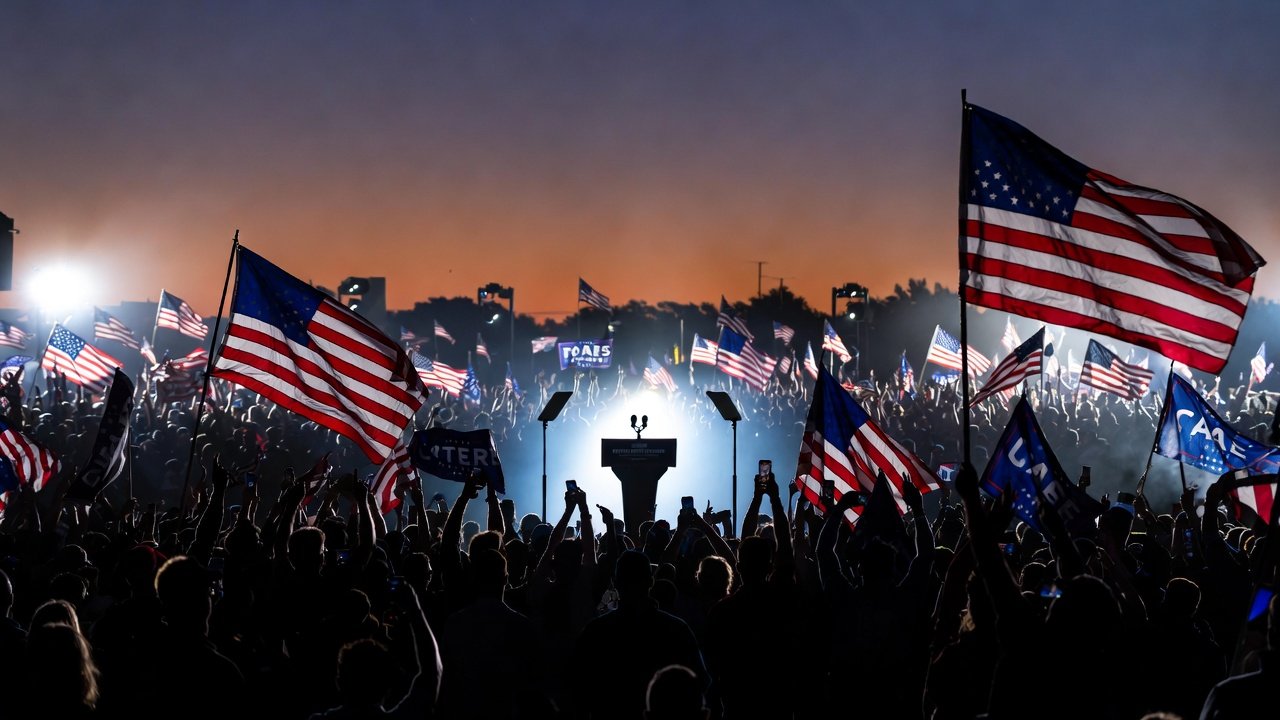
Donald Trump campaign rallies have become a defining feature of modern American politics. Unlike conventional political events, Trump ralley are large-scale spectacles, carefully orchestrated to energize supporters, dominate media coverage, and reinforce the identity of his movement. These rallies are more than speeches—they are immersive experiences that blend entertainment, political messaging, and social identity. This article provides a comprehensive analysis of Trump’s rallies, exploring what motivates his base, the strategic design behind the events, and their long-term impact on political mobilization in the United States.
- The Rise of the Trump Rallies Phenomenon
- Anatomy of a Trump Rallies
- Messaging Strategies at Rallies
- Social Media Amplification
- Understanding the Base: Motivations and Demographics
- Psychological Dynamics at Play
- Organization and Logistics
- Media Coverage and Public Perception
- Policy Announcements and Political Signaling
- Criticisms and Controversies
- Long-Term Impact on Political Campaigning
- Conclusion
The Rise of the Trump Rallies Phenomenon
Trump’s rise in 2015 and 2016 marked a turning point in campaign politics. While most presidential candidates relied heavily on traditional advertising and party infrastructure, Trump turned rallies into central pillars of his campaign strategy. His events were designed not only to communicate policy positions but also to create energy and media momentum.
Rallies quickly became iconic for several reasons:
- Large-Scale Attendance: Events regularly attracted tens of thousands of attendees, from arenas in swing states to stadiums in Republican strongholds.
- Media Magnetism: The rallies generated continuous national coverage, providing free exposure and amplifying Trump’s messages.
- Grassroots Engagement: They mobilized volunteers, donors, and loyalists in ways traditional campaigning often could not.
These elements made Trump rallies a core component of his electoral strategy, allowing him to connect with supporters in a highly personal and emotionally resonant manner.
Anatomy of a Trump Rallies
A typical Trump rally is carefully staged to maximize political and emotional impact:
Venue Selection
Locations are chosen strategically. Swing states and key Republican constituencies often host events to energize the base and attract undecided voters. Large venues accommodate thousands of supporters, creating an atmosphere of excitement and collective identity.
Visual and Symbolic Branding
American flags, Trump banners, and merchandise dominate the visual landscape. Slogans like “Make America Great Again” and “Keep America Great” reinforce the campaign’s messaging. This consistent visual identity strengthens supporter loyalty and ensures a cohesive political narrative.
Pre-Rally Entertainment
Before Trump takes the stage, rallies often include local bands, celebrity appearances, or motivational speakers. This entertainment warms the crowd, encourages participation, and generates a sense of community among attendees.
Trump’s Entrance and Delivery
The former president’s arrival is typically met with chants, applause, and heightened anticipation. His speeches blend policy discussion, personal anecdotes, attacks on opponents, and improvisational commentary. This approach creates a sense of authenticity and direct communication with supporters.
Messaging Strategies at Rallies
Trump rallies are meticulously designed to communicate political messages in a way that resonates with his base:
Populist Messaging
Trump frames political contests as a struggle between ordinary Americans and political elites. He critiques the media, establishment politicians, and bureaucracies, positioning himself as a champion of the people.
Slogan Repetition
Catchphrases like “Build the Wall” or “Drain the Swamp” are repeated throughout rallies. This repetition reinforces messaging and creates collective identity among supporters, who chant slogans in unison to signal loyalty.
Emotional Engagement
Trump’s speeches are crafted to evoke strong emotions—pride, anger, hope, and solidarity. Emotional engagement strengthens memory retention of messages and encourages grassroots action, including volunteering and campaign contributions.
Opposition Framing
Rallies often feature critiques of political opponents, reinforcing a sense of “us versus them.” By creating a shared enemy or challenge, supporters feel a sense of purpose and unity.
Social Media Amplification
Trump leveraged social media to extend the reach of his rallies:
- Platforms like Twitter (historically), Facebook, and YouTube allowed real-time live streaming.
- Clips, highlights, and memes were rapidly shared, amplifying messaging to millions unable to attend.
- Social media also encouraged engagement, creating a sense of belonging within a national movement.
The combination of live events and digital amplification enabled Trump to bypass traditional media filters and communicate directly with his audience.
Understanding the Base: Motivations and Demographics
Trump’s supporters are motivated by a combination of economic, cultural, and political factors:
Economic Concerns
Many supporters come from working-class or industrial backgrounds. Policies emphasizing domestic manufacturing, job creation, and trade protectionism resonate with this demographic, who feel left behind by globalization and technological shifts.
Cultural Identity
Cultural issues—including immigration, nationalism, and traditional values—play a significant role. Rallies reinforce a sense of shared identity and pride, connecting attendees through common beliefs and social norms.
Anti-Establishment Sentiment
Distrust of media, political elites, and bureaucracies motivates attendance. Rallies provide a space where supporters feel their voices are acknowledged and validated, reinforcing loyalty to the movement.
Personal Connection to Trump
Trump’s direct, unscripted, and often confrontational speaking style fosters perceptions of authenticity. Supporters frequently describe him as “speaking for them,” contrasting with politicians who rely on polished, consultant-written messaging.
Psychological Dynamics at Play
Rallies activate several psychological mechanisms that strengthen political engagement:
- Collective Effervescence: Shared emotional energy in a large crowd increases loyalty and group cohesion.
- Social Identity Reinforcement: Attendees feel part of a larger movement, reinforcing political and cultural identity.
- Cognitive Consistency: Rally messaging reinforces pre-existing beliefs, making attendees more resistant to counterarguments.
These dynamics help explain why rallies are effective at mobilizing support and maintaining voter enthusiasm over time.
Organization and Logistics
Behind the scenes, Trump rallies involve meticulous planning:
- Security Protocols: Coordination with local and federal authorities ensures the safety of participants.
- Crowd Management: Volunteers manage ticketing, entry, and merchandise distribution.
- Media Coordination: Press and social media teams maximize coverage and shareable content.
This careful orchestration ensures both safety and the amplification of Trump’s political messaging.
Media Coverage and Public Perception
Rallies generate extensive national attention. Media outlets highlight crowd size, slogans, and energy, while social media clips allow instant sharing. Even critics contribute to visibility, ensuring that Trump rallies remain in public discourse, further energizing supporters.
Policy Announcements and Political Signaling
Rallies are platforms for substantive announcements:
- Immigration proposals and trade policy updates are often highlighted.
- Endorsements for local candidates or initiatives reinforce the party network.
- Feedback from rally attendees provides informal insights into supporter priorities.
These events serve both as mobilization tools and informal opinion research.
Criticisms and Controversies
Trump rallies also face critique:
- Some argue they increase political polarization.
- Rhetoric at rallies has occasionally drawn national controversy.
- Emphasis on spectacle over detailed policy discussion may be perceived as superficial.
Despite criticism, rallies remain an effective way to energize and unify the base.
Long-Term Impact on Political Campaigning
Trump rallies have reshaped how campaigns operate:
- Other candidates now incorporate large-scale, spectacle-driven events.
- Social media integration with live events is now standard practice.
- Emphasis on personal branding, direct voter engagement, and emotional resonance has influenced political strategies across parties.
Trump demonstrated that mass mobilization is not just about policy—it’s about creating a movement that supporters feel emotionally invested in.
Conclusion
Donald Trump’s campaign rallies are more than political events—they are a blend of strategy, emotion, and media-savvy spectacle. By understanding what motivates his base—from economic anxieties to cultural identity—these rallies reveal the evolving nature of American political mobilization. Through repetition, emotional resonance, and personal connection, Trump rallies have become a defining feature of his political brand and a model for contemporary political campaigning.

