

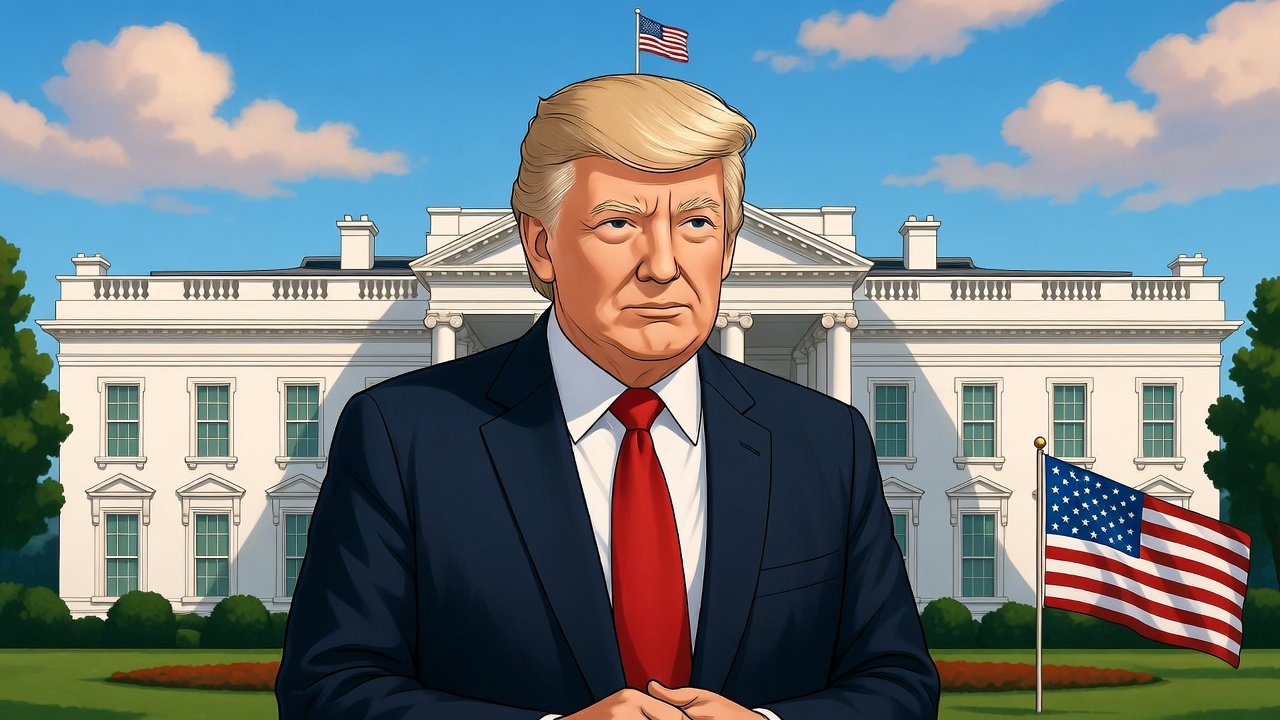
Donald J. Trump timeline defines the American success story. Throughout his life, he has continually set the standards of business and entrepreneurial excellence, particularly in real estate, sports, and entertainment. Mr. Trump transitioned his private-sector achievements into the public sphere when he entered politics, culminating in his election as the 45th President of the United States—remarkably winning on his first ever run for political office.
- 1970s–1980s: Rise in Business and Public Attention
- 1990s–2000s: Media Influence and Public Persona
- 2015: Presidential Announcement
- 2016: Republican Nomination and Election Victory
- 2017–2020: First Term Achievements and Challenges
- 2020 Election and COVID-19 Response
- 2021–Present: Post-Presidency Influence
- Personal Life and Legacy
- Conclusion
A graduate of the University of Pennsylvania’s Wharton School of Finance, Donald Trump followed in his father’s footsteps in real estate development, making a name for himself in New York City. The Trump brand quickly became synonymous with luxury, prestige, and high-profile projects throughout Manhattan and, eventually, across the globe.
Beyond his business ventures, Mr. Trump is also an accomplished author. He has penned more than fourteen bestsellers, sharing his philosophy on entrepreneurship, leadership, and negotiation. His first book, The Art of the Deal, remains a classic reference for business leaders worldwide.
1970s–1980s: Rise in Business and Public Attention
During the 1970s and 1980s, Trump transformed the New York skyline with landmark projects like Trump Tower (1983) and developed a reputation as a bold, media-savvy entrepreneur. He expanded into casinos, hotels, and golf resorts, establishing a nationwide brand that combined business acumen with high-profile visibility. These decades cemented his reputation as a risk-taker and innovator, setting the stage for his eventual political career.
1990s–2000s: Media Influence and Public Persona
In the 1990s and early 2000s, Donald Trump became a household name through television and media exposure. The 2004 debut of The Apprentice showcased Trump as a tough, no-nonsense businessman, significantly expanding his public recognition. During this period, he also made political commentary in interviews and on platforms such as Fox News, subtly shaping public opinion and exploring his potential as a future candidate.
2015: Presidential Announcement
On June 16, 2015, Donald Trump announced his candidacy for President of the United States. His campaign slogan, “Make America Great Again”, quickly became a unifying call for his supporters. Trump’s announcement marked the start of a bold, unconventional campaign that emphasized direct communication with voters, often bypassing traditional media channels.
2016: Republican Nomination and Election Victory
After defeating 17 contenders in the Republican primaries, Trump officially accepted the Republican nomination in July 2016. On November 8, 2016, he won the presidency in a historic Electoral College victory, securing over 2,600 counties nationwide—the most for a Republican since Ronald Reagan in 1984. With more than 62 million popular votes, he achieved the highest vote count for a Republican presidential candidate in history.
2017–2020: First Term Achievements and Challenges
President Trump’s first term was marked by significant legislative and executive actions:
- Economic and Tax Reforms: Enacted the Tax Cuts and Jobs Act, reduced federal regulations, and spurred economic growth prior to the COVID-19 pandemic.
- Trade and International Policy: Replaced NAFTA with the United States-Mexico-Canada Agreement (USMCA) and pursued renegotiated trade deals.
- Military and National Security: Invested $2 trillion to rebuild the military, created the Space Force, and achieved strategic victories against ISIS.
- Domestic Policy: Passed major Veterans Affairs reforms, confirmed over 250 federal judges including two Supreme Court justices, enacted bipartisan criminal justice reform, and worked to lower drug prices while safeguarding Medicare and Social Security.
- Immigration and Border Security: Implemented policies to strengthen border control and enforce immigration laws.
Despite partisan gridlock in Congress and opposition from special interest groups, Trump’s administration implemented ambitious reforms that left a lasting impact on U.S. policy.
2020 Election and COVID-19 Response
The COVID-19 pandemic defined the latter part of Trump’s first term. The administration launched the largest national mobilization since World War II, enacting record-breaking financial relief, creating advanced testing infrastructure, developing medical treatments, and spearheading Operation Warp Speed to deliver vaccines in record time.
The 2020 election saw a contentious race, with Trump claiming irregularities, though he ultimately left office on January 20, 2021. His continued influence over the Republican Party and public discourse remained strong.
2021–Present: Post-Presidency Influence
Even after leaving office, Donald Trump has maintained a powerful presence in U.S. politics. He continues to endorse candidates, hold rallies, and shape the national political narrative. Speculation around future campaigns has kept him central in political discussions, while legal challenges and media coverage continue to amplify his public profile.
Personal Life and Legacy
Donald Trump and his wife, Melania, have one son together, Barron, and Trump also has four adult children—Don Jr., Ivanka, Eric, and Tiffany—and ten grandchildren.
Trump’s political legacy is multifaceted: he reshaped the Republican Party, influenced American media, and engaged voters in ways that were previously unprecedented. Whether supporters or critics, few can deny the lasting mark of his tenure on U.S. politics and culture.
Conclusion
From business magnate to television personality to President of the United States, Donald Trump’s career is a testament to ambition, resilience, and influence. His unique blend of media savvy, political strategy, and business acumen continues to shape America’s political landscape. As the nation looks forward to future elections, Trump’s presence and impact remain highly relevant, making him one of the most significant figures in modern U.S. history.

